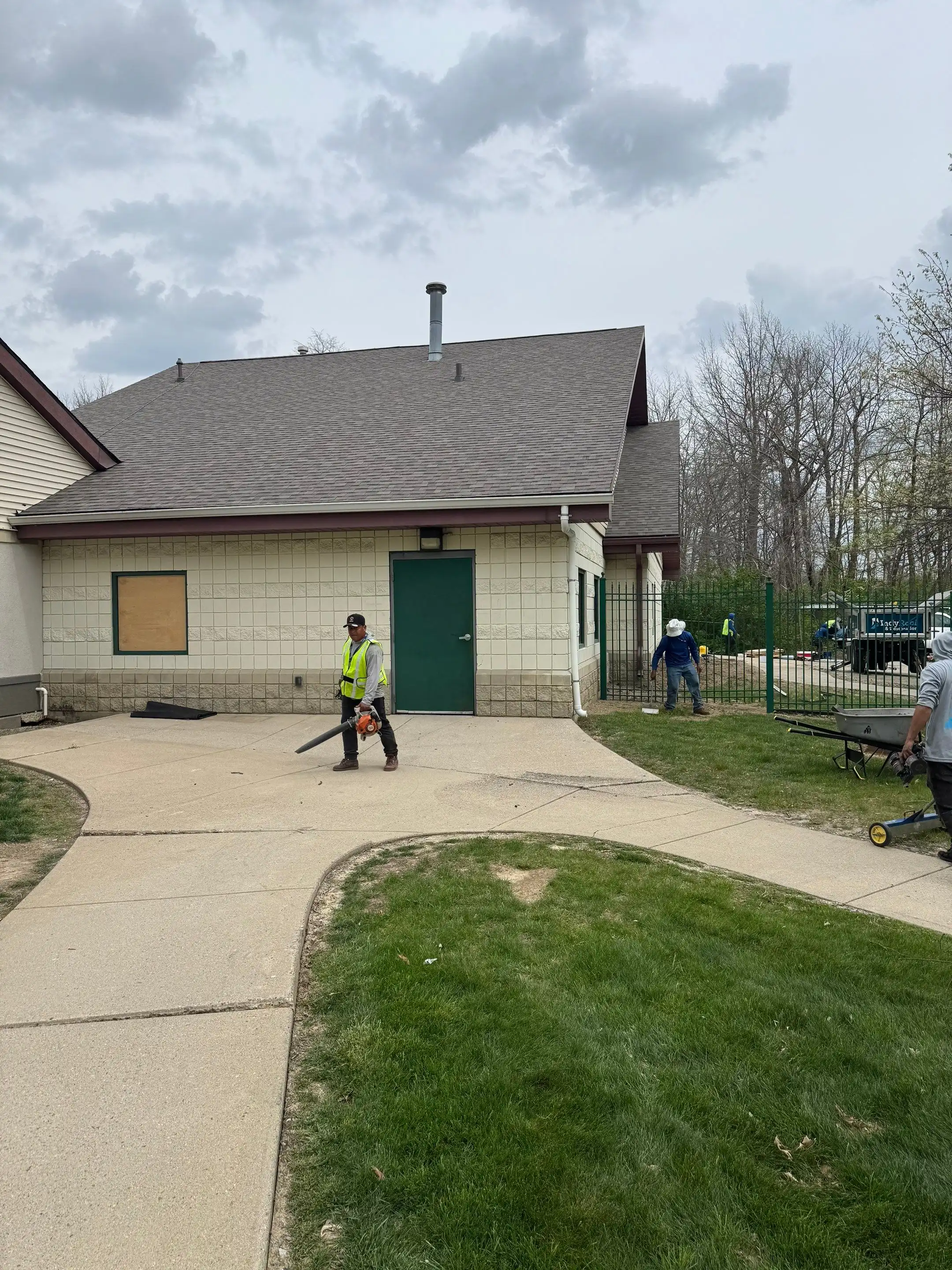
Age and lifespan signals
Beyond visible damage, the age of a commercial roof relative to its expected service life is itself a signal, because a roof approaching the end of its rated life is a candidate for replacement even before obvious failures appear. Knowing roughly how long your system should last helps a Crawfordsville owner anticipate replacement rather than be surprised by it.
Expected life by system
Different commercial roofing systems have different typical service lives. Single ply membranes like TPO and EPDM commonly serve past twenty years when well installed and maintained. Modified bitumen and built up roofs run a similar or somewhat shorter range. Standing seam metal can last several decades. These are general ranges, and your roof's actual life depends on installation quality, maintenance, and exposure, but knowing the system's typical lifespan tells you when to start watching closely.
When to start paying attention
A roof in the first half of its rated life rarely needs replacement, but as it enters the back half, it deserves closer monitoring through regular inspection. A Montgomery County roof approaching or past its expected service life should be inspected regularly, because failures become more likely and a planned replacement is far better than an emergency one. Age alone does not condemn a roof, but it tells you when vigilance pays off.
The role of maintenance history
A roof that has been well maintained, with drains kept clear, seams checked, and small problems fixed promptly, often reaches or exceeds its expected life, while a neglected roof can fail years early. So the age signal has to be read alongside the maintenance history. A Crawfordsville roof that is at its rated age but was well cared for may have life left, while one that was neglected may be done sooner. The combination of age and care tells the real story.
Using age to plan ahead
The value of knowing your roof's age relative to its lifespan is that it lets you plan. An owner who knows the roof is approaching the end can budget for replacement, watch for the other signs, and act on a schedule rather than reacting to a failure. Treating the roof's age as a planning tool, rather than waiting for it to leak, is how a Montgomery County owner stays ahead of a major expense and avoids the cost and disruption of an emergency.
Find out where your roof stands
Finally, the signs are only the prompt, and the real verdict comes from looking under the membrane, because the conditions that decide repair versus replacement live where the surface cannot show them. A owner who confirms the signs with core samples and a moisture scan acts on facts rather than appearances, which protects against both over repairing a roof that is done and over replacing one that still has life. That confirmation step is what turns a set of warning signs into a confident, correct decision about the roof.
It also helps to keep the whole picture in view rather than reacting to a single sign. One leak or one stain is worth investigating, but the strongest read comes from the pattern, how many signs are present, how severe they are, and whether they are spreading. A Montgomery County owner who steps back and weighs the accumulation makes a better repair or replace decision than one reacting to each individual problem in isolation, which is why a comprehensive inspection beats a series of quick patches.
The underlying lesson is that a commercial roof rewards attention, because the owners who catch the signs early are the ones who control the timing and the cost. A Crawfordsville building owner who treats roof signs as prompts to investigate, rather than as nuisances to patch over, ends up replacing on a planned schedule with competitive quotes and minimal disruption. The owners who ignore the signs until the roof forces the issue pay more and scramble, which is the outcome that reading the signs in time is meant to prevent.
Finally, the signs are only the prompt, and the real verdict comes from looking under the membrane, because the conditions that decide repair versus replacement live where the surface cannot show them. A owner who confirms the signs with core samples and a moisture scan acts on facts rather than appearances, which protects against both over repairing a roof that is done and over replacing one that still has life. That confirmation step is what turns a set of warning signs into a confident, correct decision about the roof.
It also helps to keep the whole picture in view rather than reacting to a single sign. One leak or one stain is worth investigating, but the strongest read comes from the pattern, how many signs are present, how severe they are, and whether they are spreading. A Montgomery County owner who steps back and weighs the accumulation makes a better repair or replace decision than one reacting to each individual problem in isolation, which is why a comprehensive inspection beats a series of quick patches.
The underlying lesson is that a commercial roof rewards attention, because the owners who catch the signs early are the ones who control the timing and the cost. A Crawfordsville building owner who treats roof signs as prompts to investigate, rather than as nuisances to patch over, ends up replacing on a planned schedule with competitive quotes and minimal disruption. The owners who ignore the signs until the roof forces the issue pay more and scramble, which is the outcome that reading the signs in time is meant to prevent.
Finally, the signs are only the prompt, and the real verdict comes from looking under the membrane, because the conditions that decide repair versus replacement live where the surface cannot show them. A owner who confirms the signs with core samples and a moisture scan acts on facts rather than appearances, which protects against both over repairing a roof that is done and over replacing one that still has life. That confirmation step is what turns a set of warning signs into a confident, correct decision about the roof.
The underlying lesson is that a commercial roof rewards attention, because the owners who catch the signs early are the ones who control the timing and the cost. A Crawfordsville building owner who treats roof signs as prompts to investigate, rather than as nuisances to patch over, ends up replacing on a planned schedule with competitive quotes and minimal disruption. The owners who ignore the signs until the roof forces the issue pay more and scramble, which is the outcome that reading the signs in time is meant to prevent.
Knowing your roof's age is a start, but an inspection tells you its actual condition relative to that age, which is what matters for planning. Crawfordsville Commercial Roofing assesses how much life your Crawfordsville roof has left given its age, system, and condition, so you can plan a replacement on your timeline. Call (765) 676-3491 to find out where your roof stands. Planning ahead is what separates a smart spend from an expensive emergency.