The two commercial roof options explained
Before comparing them, a Crawfordsville owner benefits from understanding what reroofing and a tear off actually involve, since they take fundamentally different approaches to replacing a roof. The difference shapes their costs and results.
What reroofing is
Reroofing, sometimes called an overlay, installs a new roof over the existing one without removing the old roof, layering the new roofing on top of the old. It avoids the removal and disposal of the existing roof. For a roof, reroofing means the new roof goes over the old, which can save on the labor and disposal of removal, but it requires the existing roof to be in a condition suitable for being covered, since the new roof rests on the old, making the old roof's condition important to the approach.
What a tear off is
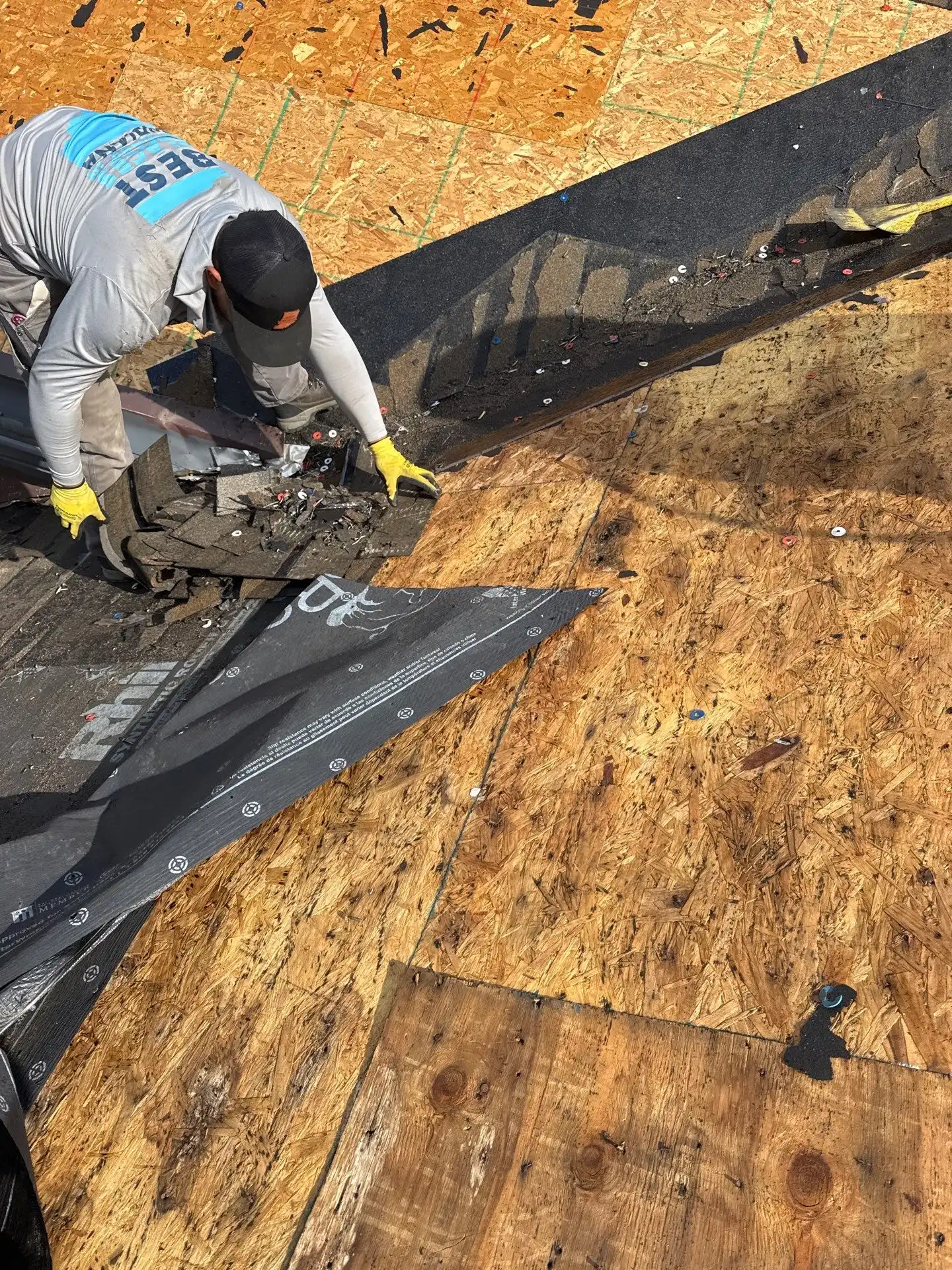
A tear off removes the existing roof down to the deck before installing the new roof, stripping away the old roofing and any wet or damaged materials and starting fresh on a clean deck. It is the more thorough approach. For a Montgomery County roof, a tear off means the old roof is fully removed, allowing inspection and repair of the deck and a fresh start, at the cost of the labor and disposal of removal, which makes it more involved but more complete than reroofing over the existing roof.
The fundamental difference
The fundamental difference is whether the old roof is removed: reroofing keeps it and builds over it, while a tear off removes it and starts fresh. This shapes the cost, the resulting roof, and the suitability of each. For a Crawfordsville roof, this difference, keeping versus removing the old roof, is the basis for comparing the approaches, since it determines what each costs, the condition it leaves the roof in, and the situations each suits, which the rest of this guide explores.
Code and condition shape the choice
The choice between them is shaped by building codes, which limit how many roof layers are allowed, and by the existing roof's condition, which determines whether reroofing is appropriate. These factors often narrow the options. For a roof, the number of existing roof layers and the condition of the roof and deck influence whether reroofing is permitted and advisable, so the choice is not purely preference but is guided by code requirements and the actual state of the existing roof.
Two paths to a new roof
Reroofing and a tear off represent two paths to a replaced roof, building over the old or removing it and starting fresh, with the choice shaped by cost, condition, and code. For a Montgomery County owner, understanding these paths and what shapes the choice is the foundation for deciding, which the comparison of their pros and cons helps with, leading to the right option for the building.
Find the right roof option for your building
The broader point about reroofing versus a tear off is that the existing roof's condition usually drives the decision more than cost preference, since building over a roof with hidden moisture simply traps the problem beneath a new roof. A Crawfordsville owner who lets a thorough inspection, including core samples, establish what is actually beneath the roof gets the right answer, whether that captures reroofing's savings or requires a tear off's thoroughness. The condition is the fact that matters, and discovering it before choosing is what prevents an expensive mistake.
Finally, where both options are genuinely available, the choice comes down to weighing reroofing's real savings against a tear off's more reliable long term result, in light of how long the building will be held. A owner planning to keep the building for decades may favor the fresh foundation of a tear off, while one capturing savings on a sound roof may reasonably reroof. That tradeoff, grounded in the roof's condition and the owner's horizon, is the heart of the decision once condition and code allow both paths.
It also helps to remember that code constraints can decide the matter regardless of what an owner would prefer, because a roof already at the maximum layers must be torn off no matter how sound it is. A Montgomery County owner who confirms the layer count and code requirements up front avoids planning around an option that is not actually available. Between the existing condition and the code limits, the choice is often narrowed before cost even enters, which is why verifying both early is the practical starting point for the decision.
The broader point about reroofing versus a tear off is that the existing roof's condition usually drives the decision more than cost preference, since building over a roof with hidden moisture simply traps the problem beneath a new roof. A Crawfordsville owner who lets a thorough inspection, including core samples, establish what is actually beneath the roof gets the right answer, whether that captures reroofing's savings or requires a tear off's thoroughness. The condition is the fact that matters, and discovering it before choosing is what prevents an expensive mistake.
Finally, where both options are genuinely available, the choice comes down to weighing reroofing's real savings against a tear off's more reliable long term result, in light of how long the building will be held. A owner planning to keep the building for decades may favor the fresh foundation of a tear off, while one capturing savings on a sound roof may reasonably reroof. That tradeoff, grounded in the roof's condition and the owner's horizon, is the heart of the decision once condition and code allow both paths.
It also helps to remember that code constraints can decide the matter regardless of what an owner would prefer, because a roof already at the maximum layers must be torn off no matter how sound it is. A Montgomery County owner who confirms the layer count and code requirements up front avoids planning around an option that is not actually available. Between the existing condition and the code limits, the choice is often narrowed before cost even enters, which is why verifying both early is the practical starting point for the decision.
The broader point about reroofing versus a tear off is that the existing roof's condition usually drives the decision more than cost preference, since building over a roof with hidden moisture simply traps the problem beneath a new roof. A Crawfordsville owner who lets a thorough inspection, including core samples, establish what is actually beneath the roof gets the right answer, whether that captures reroofing's savings or requires a tear off's thoroughness. The condition is the fact that matters, and discovering it before choosing is what prevents an expensive mistake.
Crawfordsville Commercial Roofing assesses Crawfordsville commercial roofs and recommends whether reroofing or a tear off is the right option. Call (765) 676-3491 to find the right roof option for your building. Choosing the right approach is what separates a smart investment from an expensive guess.